Here’s something that might surprise you: by 2026, analysts project that over 32% of all professional jobs globally will be fully remote — and yet most job seekers are still applying the same way they did in 2019. If you’re serious about landing one of the best remote jobs remote 2026 has lined up, the playbook has changed. Let’s walk through exactly what’s hot, what pays well, and how you actually get hired.
Quick Facts
- Remote software developers earn a median of $120,000–$165,000 annually, with senior roles pushing well past that ceiling (Glassdoor, 2024)
- Most competitive remote roles require demonstrated async communication skills — not just technical chops
- Top remote job postings on LinkedIn and Indeed typically fill within 7–14 days; applying on day one matters
- Red flag: any “remote” listing that suddenly requires relocation within 90 days — read the fine print carefully
In This Article
- Why 2026 Is a Pivotal Year for Remote Work
- The Hottest Remote Jobs Remote 2026 Will Demand
- Salaries You Can Actually Expect
- Skills That Separate Hired from Ignored
- Where to Find Remote Jobs Remote 2026 Listings
- How to Stand Out in a Remote Job Application
- Nailing the Remote Interview
- Frequently Asked Questions

Why 2026 Is a Pivotal Year for Remote Work
Remote work isn’t just surviving the post-pandemic “return to office” wave — it’s evolving into something more structured, more competitive, and honestly, more exciting for the right candidates. Companies that yanked people back to offices in 2023 and 2024 are quietly re-listing remote roles because the talent math doesn’t lie: the best people want flexibility, and businesses that won’t offer it are losing hiring battles.
But here’s the real shift happening right now. Employers are getting smarter about how they hire remotely. They’re not just tossing up a “work from anywhere” badge on a job listing anymore. They’re building distributed-first cultures with intentional onboarding, async workflows, and clear performance metrics. That’s good news for serious candidates — it means the remote jobs remote 2026 market rewards people who are genuinely prepared, not just people who stumbled into it.
What does that mean for you? It means demand from the candidate side remains massive. But supply — qualified, remote-ready applicants — is also growing. The window to position yourself well is right now, not six months from now when everyone else catches on.
Industries driving the biggest remote hiring surges into 2026 include tech (naturally), healthcare administration, financial services, digital marketing, and cybersecurity. Some of these might surprise you. Remote medical billing? Fully booked with openings. Remote compliance analysts? Companies are practically fighting over them.
The Hottest Remote Jobs Remote 2026 Will Demand
Let’s get specific. Broad categories are nice, but you need names — actual roles you can search for this week. Based on current hiring trajectories and Bureau of Labor Statistics projections, here are the roles seeing the sharpest remote demand heading into 2026.
Software Engineers and Developers. Still king. Full-stack, backend, and AI/ML engineers are commanding premium salaries with near-universal remote availability. If you’re in this space, you already know. If you’re thinking about transitioning, Python and cloud architecture skills (AWS, Azure) are your fastest path in.
Cybersecurity Analysts. The BLS projects a 32% growth rate for information security analysts through 2032 — one of the fastest of any profession. Remote-first? Absolutely. These roles are inherently digital, and companies can’t hire fast enough.
Digital Marketing Specialists. Content strategists, SEO managers, paid media analysts, and email marketing leads are all in serious demand. Brands need people who can run campaigns without hand-holding, and remote fits perfectly.
Healthcare Remote Roles. Medical coders, telehealth coordinators, health informatics specialists, and remote patient monitoring technicians. The healthcare sector added more remote-eligible roles in 2024 than any previous year on record.
Customer Success Managers. SaaS companies live and die by retention. A skilled Customer Success Manager working remotely can manage dozens of enterprise accounts from a home office — and earn $75,000–$110,000 doing it.
UX/UI Designers. Every app, platform, and digital product needs good design. Remote design roles have exploded, especially for mid-to-senior level professionals with portfolio-ready case studies.
“The candidates who land remote roles fastest in 2026 won’t just have skills — they’ll have proof. Portfolios, GitHub repos, campaign results, client testimonials. Evidence beats credentials every single time.”
— Senior Tech Recruiter, distributed-first hiring firm
Salaries You Can Actually Expect
Let’s talk money — because vague ranges help nobody.
Remote salaries in 2026 are being shaped by two competing forces: geographic pay normalization (companies paying based on your location, not their headquarters) and talent scarcity (which pushes salaries up for in-demand roles regardless of location). Where you land on that spectrum depends on your role, experience level, and frankly, how well you negotiate.
Here’s a realistic snapshot by category:
- Software Engineers: $95,000–$175,000+ (entry to senior, U.S. market)
- Cybersecurity Analysts: $85,000–$140,000
- Digital Marketing Managers: $60,000–$105,000
- UX/UI Designers: $70,000–$130,000
- Customer Success Managers: $65,000–$115,000
- Healthcare Informatics: $70,000–$120,000
- Remote Medical Coders: $45,000–$75,000
One thing worth understanding: many companies posting remote jobs in 2026 are using Employer of Record (EOR) services — platforms that handle payroll, taxes, and compliance for international hires. This means even if you’re outside the U.S., you may be eligible for roles previously geo-blocked. That’s a massive opportunity if you’re job searching from Canada, the UK, Latin America, or Southeast Asia.
And don’t overlook benefits. Remote-first companies often compensate with home office stipends ($500–$2,000 annually), internet reimbursements, async-first schedules, and generous PTO policies that in-office roles rarely match.
Skills That Separate Hired from Ignored
Technical skills get you in the door. These skills get you the offer.
Async communication mastery. Remote teams run on Slack, Notion, Loom, and well-written documentation. If your written communication is muddy, your candidacy is muddy. Practice writing clearly. Short sentences. Clear asks. Explicit context. This is the single most underrated skill in remote hiring.
Self-management and visible productivity. Nobody’s watching you work. Managers at distributed companies aren’t micro-managing — they’re measuring outcomes. Can you hit deadlines without reminders? Can you manage your own calendar and workload without constant check-ins? If the answer is yes, say so specifically in your application materials.
Tool fluency. In 2026, fluency in tools like Notion, Linear, Figma, HubSpot, Salesforce, Jira, or whatever your industry’s equivalent is — matters enormously. List them. Show examples of how you’ve used them to drive results.
Cross-timezone collaboration. If a company has team members in Austin, Amsterdam, and Auckland, they need people who can operate gracefully across time zones. Mention experience with this if you have it. It signals global readiness.
AI tool proficiency. By 2026, comfort with AI-assisted workflows — whether that’s using Copilot for code, Claude or ChatGPT for drafting, or Midjourney for design ideation — is increasingly expected, not optional. Show you’re using these tools intelligently.
Where to Find Remote Jobs Remote 2026 Listings
Not all job boards are equal — and not all “remote” filters are honest. Here’s where serious candidates actually find legitimate remote roles heading into 2026.
LinkedIn. Still the dominant professional network for remote hiring. Filter by “Remote” under location, then layer in industry, experience level, and date posted (“Past 24 hours” for competitive roles). Your profile matters as much as your resume here — recruiters search LinkedIn before they check anything else.
We Work Remotely. One of the oldest and most trusted dedicated remote job boards. The roles here are genuinely remote — not “remote with occasional travel” or “remote in our city only.” Tech, design, marketing, and customer success listings dominate.
Remote.co and FlexJobs. Both curate and vet listings, which means less noise. FlexJobs charges a small membership fee — worth it to avoid scam listings that litter free boards.
Indeed and Glassdoor. Volume plays. Use specific search strings and always cross-reference company reviews on Glassdoor before applying. A 2.8-star rating from current employees usually tells you something real.
Company career pages directly. This one gets skipped constantly. If you’ve identified 10–15 companies whose culture and work genuinely excite you, bookmark their careers pages and check weekly. Some roles never hit the job boards — they get filled through direct applicants and referrals.
Slack communities and Discord servers. Niche job boards built inside communities — think “Remote Work” Slack groups, industry-specific Discord servers, or even subreddits like r/remotework — surface roles that don’t exist anywhere else. These are warm leads, not cold applications.
How to Stand Out in a Remote Job Application
Here’s the hard truth: remote roles get flooded. A single LinkedIn posting for a remote marketing manager role can pull 800+ applications in 48 hours. So what actually cuts through?
Tailor aggressively. Generic resumes don’t get interviews. Pull actual language from the job description and mirror it in your resume and cover letter — carefully, not robotically. Applicant tracking systems (ATS) are real, and they’re scanning for keyword alignment before a human ever reads your application.
Lead with remote-specific accomplishments. Don’t just say you work remotely. Say: “Led a cross-functional remote team of 8 across 4 time zones to ship a product update that increased user retention by 23%.” Specificity wins.
Write a cover letter that sounds like a human wrote it. Most don’t. Start with a specific detail about the company — not “I’ve always admired your company” — something real. Mention a product you use, a blog post you read, a decision they made publicly. Shows you’re paying attention.
Build a digital presence. A LinkedIn profile, a personal website, a GitHub repo, an online portfolio — whatever fits your field. When a recruiter Googles your name after reading your resume (they all do), you want something impressive to show up.
“I review 40–50 remote applications a week. The ones that get callbacks always have one thing in common: they show me results, not responsibilities. I don’t need your job description rewritten. I need to know what you actually moved.”
— Remote Talent Acquisition Manager, SaaS industry
Nailing the Remote Interview
You got the interview. Don’t blow it on logistics.
Remote interviews are evaluated on more than your answers — your setup, your environment, your audio quality, and your ability to communicate clearly on camera all factor in. Employers are watching to see: can this person represent us professionally in client calls and team meetings from their home?
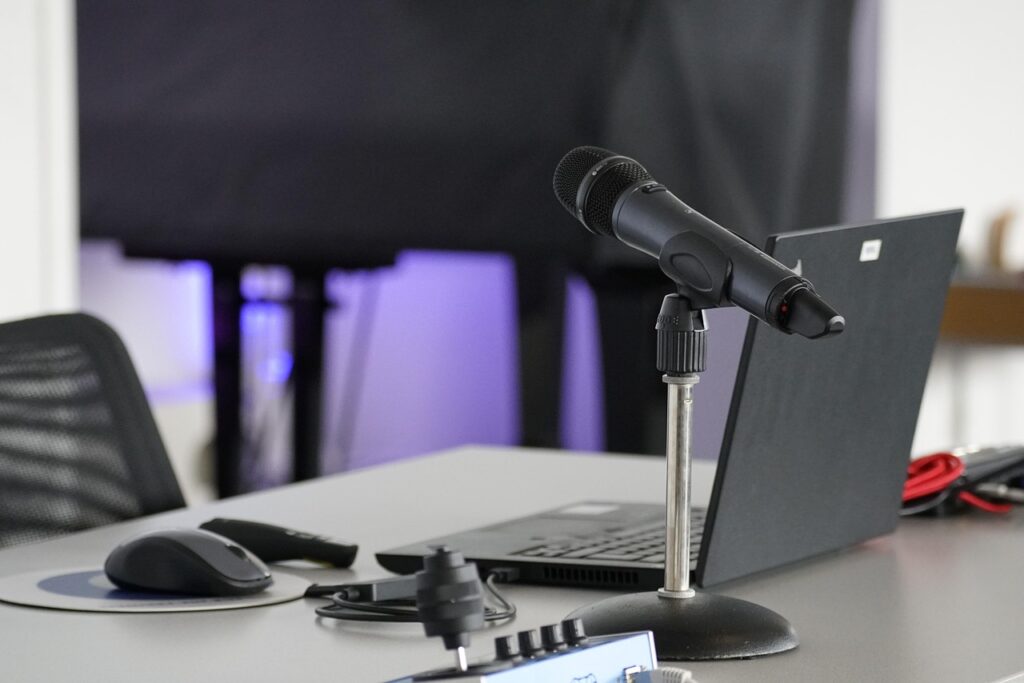
Environment matters. Clean background or a professional virtual one. Good lighting (face the window, don’t sit with it behind you). A decent USB microphone makes a bigger impression than most people realize — bad audio is distracting and subtly signals unpreparedness.
Prepare remote-specific stories. Expect questions like: “How do you manage your time without direct oversight?” or “Tell me about a challenge you faced working across time zones.” Have two or three strong, specific stories ready that demonstrate async communication, self-direction, and results.
Ask smart questions. The best remote-specific questions you can ask: How does your team handle async vs. synchronous communication? What does onboarding look like for remote hires? How is performance measured for distributed team members? These questions signal you understand remote work — and they help you evaluate whether the company actually has its act together.
Follow up fast. Send a thank-you email within 24 hours. Reference something specific from the conversation — not a generic “thank you for your time.” It takes five minutes and it genuinely moves the needle more than most candidates expect.
Frequently Asked Questions
What are the best remote jobs remote 2026 for beginners with no experience?
Entry-level remote roles that welcome career changers or new graduates include remote customer support specialists, junior data analysts, content writers, social media coordinators, and remote sales development representatives (SDRs). These roles typically offer training and don’t require years of prior experience — what they do require is strong communication, reliable internet, and a genuine willingness to learn fast. Many SaaS startups specifically hire for potential over experience in these categories.
How do I know if a remote job listing is legitimate or a scam?
Legitimate remote job postings will never ask you to pay for equipment upfront, wire money, or provide bank details during the application process. Research the company on Glassdoor, LinkedIn, and their official website before proceeding. If the salary seems wildly inflated for simple tasks, the job description is vague, or you’re being hired without a real interview — those are serious red flags. Platforms like FlexJobs vet their listings specifically to filter out scams, which makes the membership fee worthwhile for cautious job seekers.
Will remote jobs pay less because I’m not in a major city?
It depends heavily on the company. Some organizations use location-based pay bands and will offer lower salaries to candidates outside of high cost-of-living metros. Others — particularly remote-first companies — pay a flat national or global rate regardless of where you live. Always ask during the offer stage whether compensation is location-adjusted. Knowing this upfront lets you negotiate more effectively or choose employers whose pay philosophy aligns with your situation.
How competitive are remote jobs remote 2026 compared to in-office roles?
Significantly more competitive, because the talent pool is global rather than local. A remote role at a company headquartered in Chicago draws applicants from across North America — and often beyond — while an in-office equivalent only attracts local candidates. That said, this cuts both ways: you can also apply for roles at top companies regardless of where you’re based. The key is making your application sharper, more specific, and more results-focused than the crowd.
What skills should I build right now to be ready for remote jobs in 2026?
Focus on async communication skills (clear written documentation, Loom video updates), project management tool fluency (Notion, Jira, Asana), and at least baseline AI tool literacy across your field. Beyond technical skills, self-management and the ability to demonstrate results independently are what remote hiring managers say they value most. Take on freelance projects, contribute to open-source work, or build a portfolio of personal projects — anything that shows you can deliver without needing a manager hovering over your shoulder.
Can I work remote jobs internationally in 2026?
Yes — and it’s becoming significantly easier. Many companies now partner with Employer of Record (EOR) services that handle international payroll and compliance, meaning they can legally hire talent in countries where they don’t have a formal legal entity. Countries like Portugal, Costa Rica, and Thailand have also introduced digital nomad visas specifically designed for remote workers employed by foreign companies. Research the tax implications of your specific country of residence and the company’s EOR capacity before accepting an international remote offer.
Your Next Step
The remote jobs remote 2026 market is genuinely full of opportunity — but it rewards the prepared, not the passive. This week, update your LinkedIn profile with remote-specific keywords and accomplishments, identify 10 companies whose remote culture excites you, and submit at least three tailored applications to roles that actually fit your skills. Don’t wait for the perfect moment — the candidates who start their search now will be the ones signing offers when 2026 arrives.